Cost of Living in Murrieta vs. Temecula
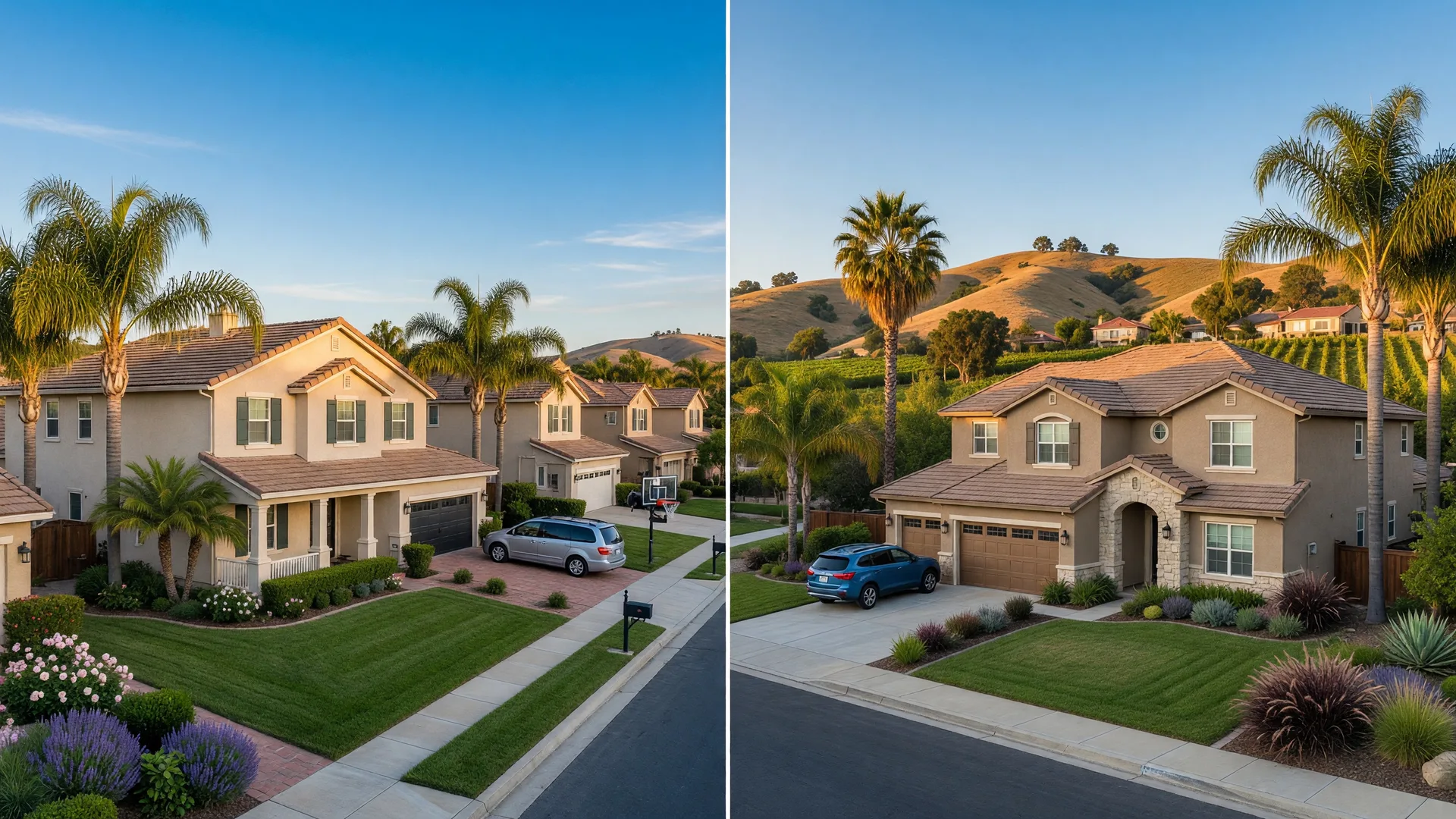
Murrieta and Temecula sit side by side along the I-15 corridor in Southwest Riverside County, and families considering a move to the area often find themselves torn between the two. Both offer safe neighborhoods, strong schools, and easy access to San Diego and the Inland Empire — but the details of living costs, tax obligations, and daily lifestyle can differ enough to matter. Here's an honest, data-driven comparison to help you decide which city fits your family best.
Housing Costs: Where's the Better Deal?
Murrieta's median home price is roughly $680,000, while Temecula's sits closer to $725,000 — a gap of about $45,000.
Housing is the single biggest differentiator between the two cities. As of mid-2026, Murrieta's median single-family home price hovers around $680,000, while Temecula's median is approximately $724,500. That difference translates to roughly $250–$350 per month in mortgage payments, which adds up significantly over a 30-year loan.
Murrieta also tends to offer larger lots and more square footage for the money, particularly in neighborhoods like Alta Murrieta and Spencer's Crossing. Temecula, on the other hand, has more established neighborhoods in areas like Redhawk and the Vail Ranch communities, which command a premium for their mature landscaping and proximity to Old Town.
Property Taxes and Mello-Roos
Both cities fall under Riverside County's base property tax rate of approximately 1.04%, which can increase to 1.1%–1.3% depending on voter-approved bonds and local assessments. That part is essentially equal.
The real variable is Mello-Roos — the Community Facilities District assessments found in newer developments. These additional taxes fund infrastructure like roads, schools, parks, and fire stations in planned communities. Both cities have Mello-Roos zones, but the rates vary widely depending on the specific community, the remaining bond term, and the assessed value of the home.
In practice, Mello-Roos assessments can range from $500 to $4,500+ per year. Newer master-planned communities in south Murrieta (French Valley corridor) and parts of south Temecula tend to carry higher assessments. Older neighborhoods built before the 1990s are generally Mello-Roos-free. Always check the specific property's tax bill before making an offer — this is one of those details that can quietly add $500+ per month to your housing costs.
Side-by-Side Cost Comparison
| Category | Murrieta | Temecula |
|---|---|---|
| Median Home Price | ~$680,000 | ~$724,500 |
| Base Property Tax | 1.04%–1.3% | 1.04%–1.3% |
| Mello-Roos Range | $500–$4,500+/yr | $500–$4,500+/yr |
| Avg. Electric Bill | ~$172/mo | ~$178/mo |
| Cost of Living Index | ~127 | ~131 |
| Median Household Income | $105,000+ | $110,000+ |
| Days on Market | 25–35 days | 25–40 days |
| Commute to San Diego | 60–90 min | 55–85 min |
* All figures are approximate and based on publicly available data as of mid-2026. Individual costs vary by neighborhood, home age, and property specifics.
Utilities: Are They Really That Different?
Utility costs in Murrieta and Temecula are nearly identical. Both cities share the same climate, the same Southern California Edison service area, and the same water district influences. Average electric bills run about $172–$178 per month, spiking in summer when air conditioning kicks in. A full household utility budget — electric, gas, water, trash, and internet — typically falls between $350 and $450 per month in either city.
One subtle difference: newer homes in both cities tend to be more energy-efficient, but older Temecula neighborhoods (especially pre-1990 builds in Vail Ranch or Redhawk) can have higher cooling costs due to less efficient insulation and older HVAC systems.
Schools: Which District Performs Better?
This is where the comparison gets interesting for families. Murrieta is served by Murrieta Valley Unified School District (MVUSD), while Temecula is served by Temecula Valley Unified School District (TVUSD). Both are well-regarded — but they have different strengths.
MVUSD has an average GreatSchools rating around 8/10 across its 23+ schools, with standout campuses like Cole Canyon Elementary and Murrieta Mesa High School earning particular praise. TVUSD is slightly larger, serving a broader geographic area, and also holds strong A-ratings with several campuses in the top tier statewide.
The practical difference for families: school boundaries in both districts can change, and the specific school your child attends depends on your home address. If schools are a top priority, we always recommend verifying current boundary maps before choosing a neighborhood. Check out our complete relocation guide for more on how schools factor into the move.
Commute Times: Does Location Within the City Matter?
For commuters heading south to San Diego or Camp Pendleton, the southern edges of both cities offer the shortest drive times. South Murrieta (near the French Valley corridor) and south Temecula (Redhawk, Paloma Del Sol) are closest to the I-15 on-ramp, shaving 5–10 minutes off the trip compared to northern neighborhoods.
In practice, the difference between living in north Murrieta versus south Temecula for a San Diego commute is roughly 10–15 minutes — not enough to be a deciding factor for most families. Off-peak, expect 60–75 minutes to San Diego. During rush hour, both routes can stretch to 90–120 minutes. The HOV lane on I-15 is a lifeline for daily commuters.
If your commute is primarily to the Inland Empire or Orange County, Murrieta's central position along I-15 gives it a slight edge in drive-time flexibility.
Lifestyle, Dining, and Shopping
Temecula has the edge on tourism and nightlife. Old Town Temecula is a walkable historic district packed with restaurants, bars, antique shops, and the famous Temecula Valley Balloon & Wine Festival. The Temecula Wine Country — home to 40+ wineries and tasting rooms — is a major draw for weekend visitors and a genuine lifestyle perk for residents.
Murrieta's dining and shopping scene is growing steadily but more spread out. The Promenade Temecula mall and surrounding retail corridor sit on the border between the two cities, giving residents of both easy access. Murrieta's Friday Night Live concerts, farmers markets, and community events offer a more neighborhood-focused social scene. For families who value a quiet evening at a local park over a night out at a winery, Murrieta's lifestyle rhythm tends to feel more relaxed and community-oriented.
So Which City Should You Choose?
There's no wrong answer here — both are excellent places to live. But if you're optimizing for specific priorities, here's a quick framework:
- Choose Murrieta if you want more home for your money, larger lots, and a slightly more affordable entry point into the market.
- Choose Temecula if walkable dining, winery access, and an established downtown are important to your lifestyle.
- Both cities offer strong public schools — verify specific school boundaries for any address you're considering.
- For San Diego commuters, the difference is minimal — focus on which neighborhood within either city offers the best commute access.
The best way to decide? Spend a day driving through both cities. Walk the neighborhoods, eat at local spots, visit a school or two. And when you're ready to talk specifics, we're here to help.
Need Help Deciding Between Murrieta and Temecula?
We know both markets inside and out. Let's talk through your priorities, timeline, and budget so you can make a move you feel great about.